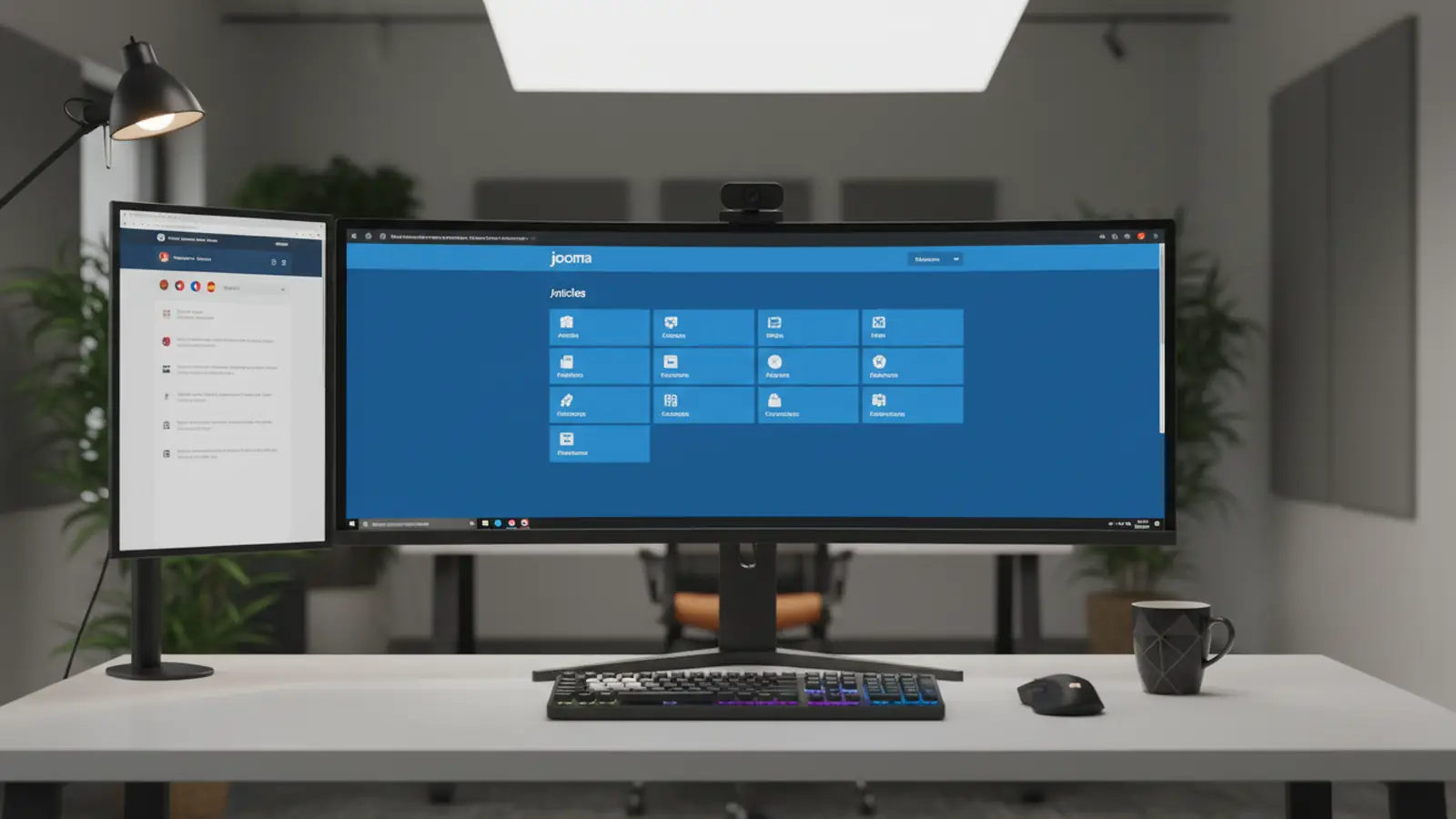
Update (April 2026): Joomla 6.0 "Kuimarisha" landed on 14 October 2025 alongside the LTS Joomla 5.4 "Kutegemea". The current stable is Joomla 6.1 "Nyota", released 14 April 2026, which adds a visual drag-and-drop workflow editor, a built-in proof-of-work captcha (no third-party service required), expanded media custom fields for audio, video, and document files, and full PHP 8.4 compatibility. Automatic core updates introduced in Joomla 5.4 / 6.0 are now bedded in. Joomla 6.2 is on the roadmap for 13 October 2026. Market share has continued to drift down to roughly 2.2% (W3Techs, March 2026) but the active install base sits at nearly two million sites and is stable. The original 2025 case for Joomla, below, still holds.
Joomla turned 20 in 2025. Two decades since a group of developers forked Mambo and built something that, for a while, rivalled WordPress for CMS market share. Today? WordPress powers roughly 43% of all websites. Joomla sits at about 2.2%.
Those numbers tell one story. But they don't tell the whole story.
I've been hosting Joomla sites since the early days, and while I'll be the first to admit WordPress is the right choice for most people, there are projects where Joomla is still the better tool. After 20 years of running both, I know where each one shines.
What Happened to Joomla's Market Share?
Joomla didn't get worse. Everything else got easier.
WordPress invested heavily in the non-technical user experience. Wix and Squarespace removed the need for hosting entirely. Shopify owned e-commerce. Meanwhile, Joomla kept building for developers and advanced users, which is admirable but doesn't win market share races.
The learning curve is real. Setting up a Joomla site takes more decisions upfront: articles vs categories vs menus, access control levels, module positions. WordPress lets you install, pick a theme, and start writing in minutes. Joomla wants you to think about structure first.
For many projects, that thinking-first approach is exactly right. The problem is it filters out casual users who just want a blog or a five-page business site.
Where Joomla Still Wins
Joomla's strengths are specific, and that's not a weakness. Here's where it earns its place:
Complex Permission Systems
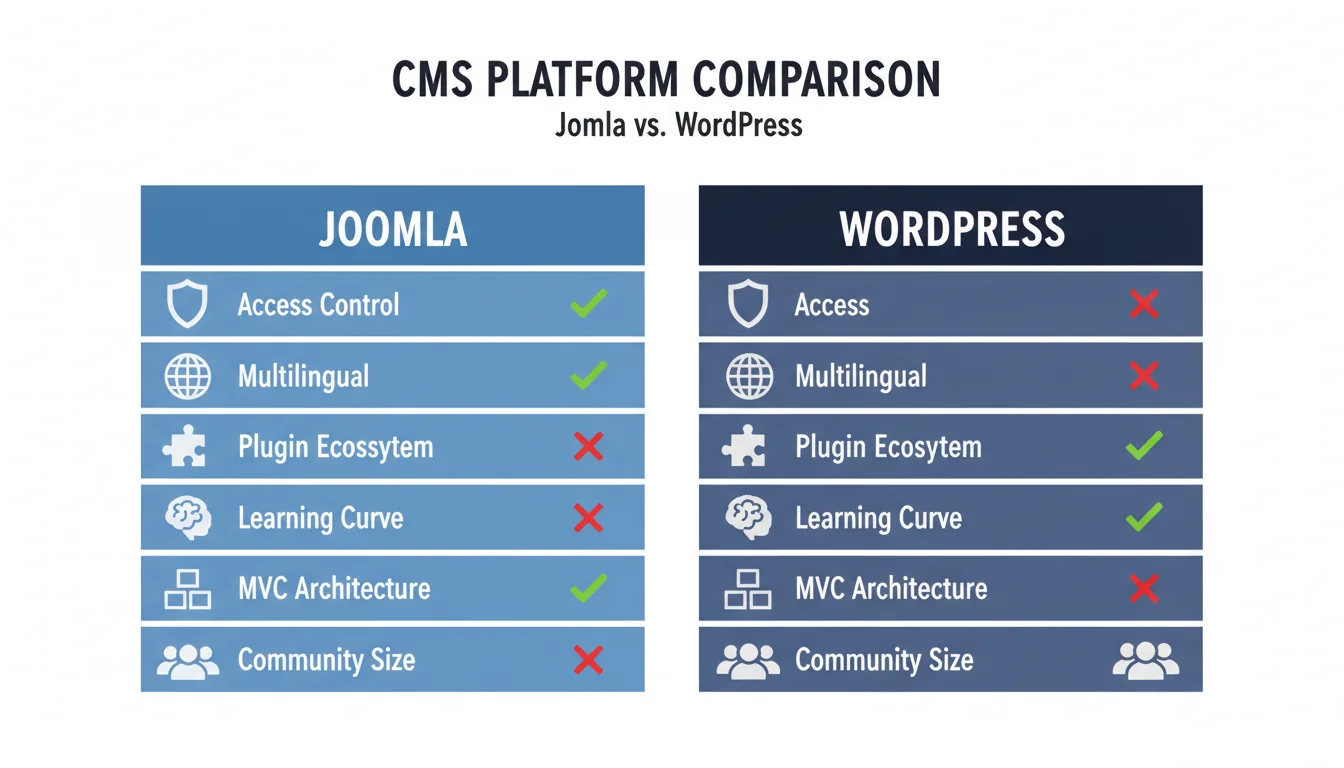
WordPress added roles and capabilities over the years, but Joomla had granular access control from the start. If you need a site where different user groups see different content, submit different forms, and manage different sections, Joomla handles this natively. WordPress needs three or four plugins to achieve the same thing.
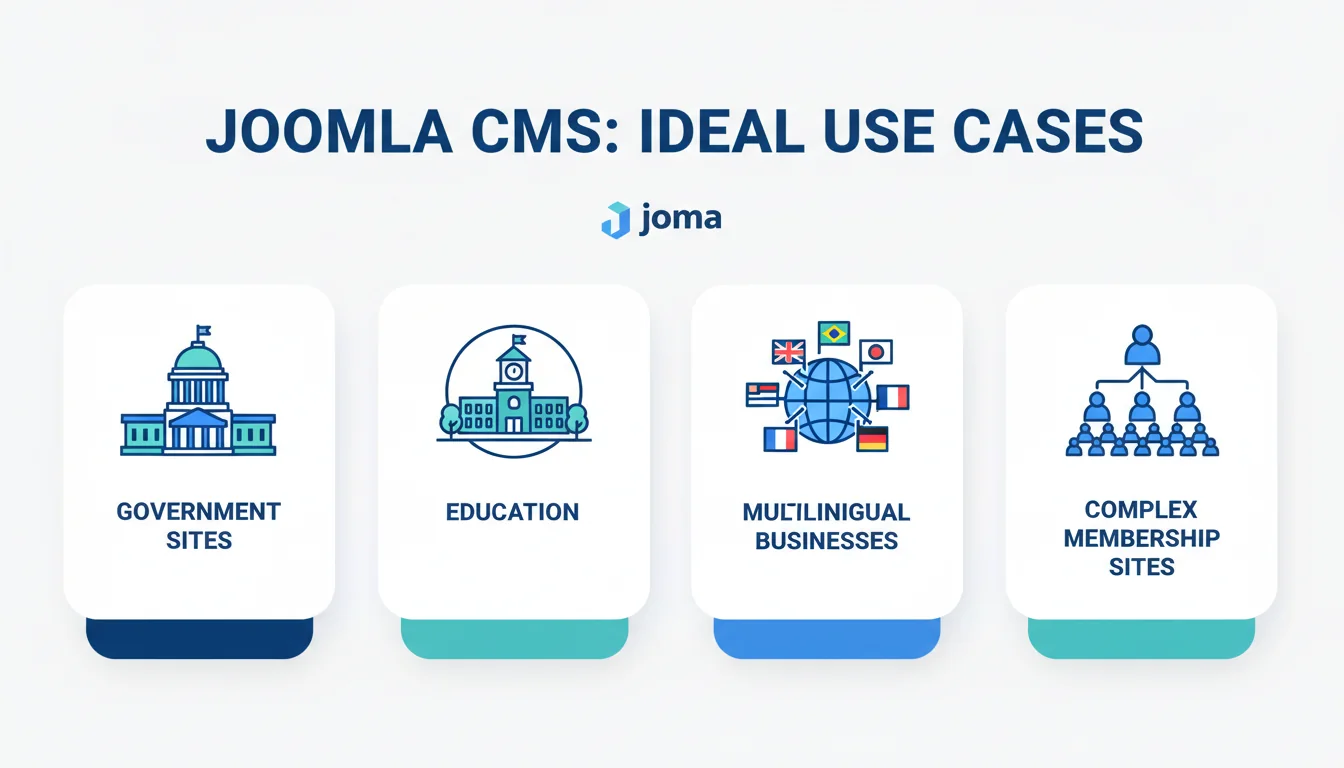
Government sites, educational institutions, and membership organisations lean on Joomla for exactly this reason. When compliance requires detailed access logging and role separation, Joomla's built-in system is hard to beat.
Multilingual Without Plugins
Joomla has shipped core multilingual support since version 1.6. No third-party plugins, no translation services, no compatibility concerns after updates. Create content in English, French, and German from the same admin panel, with language associations handled at the content level.
WordPress eventually got there with WPML and Polylang, but those are third-party plugins with their own update cycles, pricing, and potential conflicts. For a business operating across multiple countries, Joomla's native approach is cleaner.
MVC Architecture
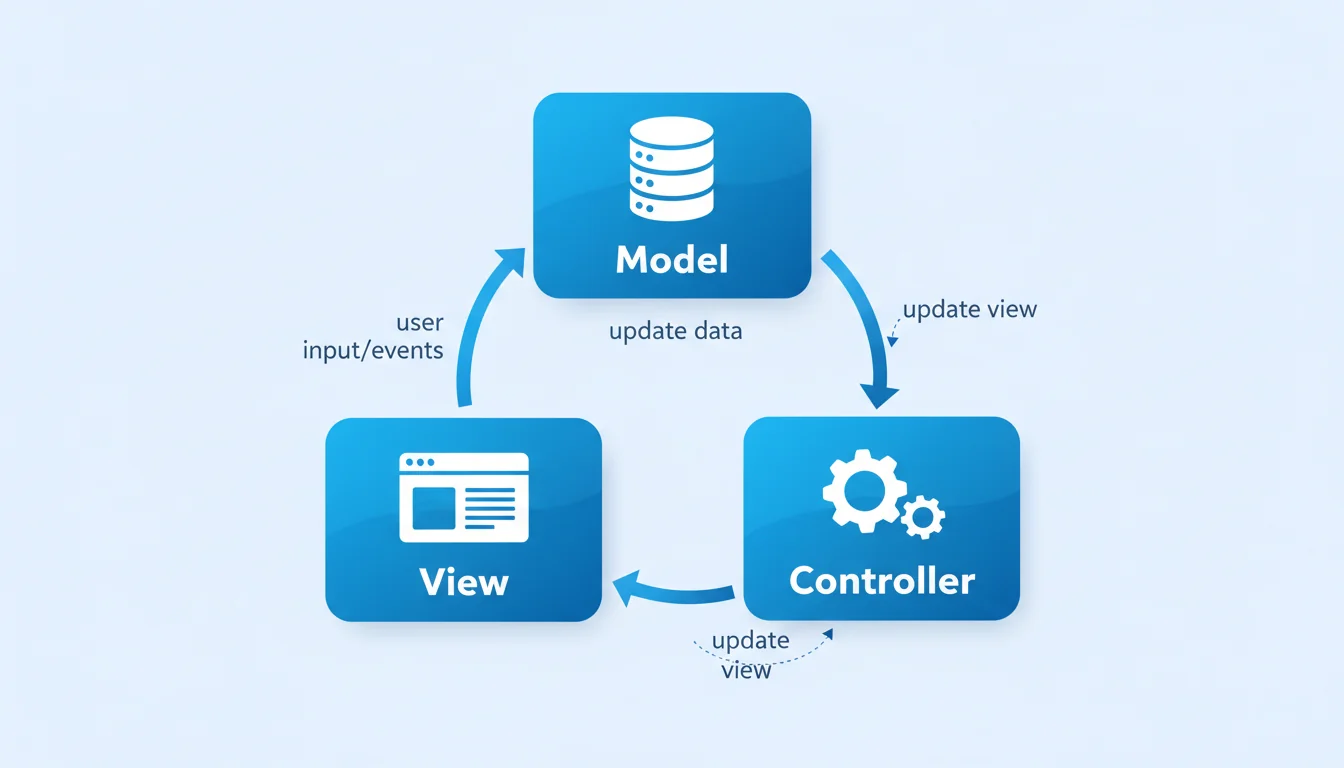
For developers, Joomla's Model-View-Controller architecture provides a proper framework. Templates, components, modules, and plugins each have defined roles. Code goes where it belongs. WordPress's hook-and-filter system is flexible but encourages what I'd politely call "creative file organisation."
If you're building a custom web application on top of a CMS, Joomla's structure scales better. The codebase stays maintainable even as complexity grows.
"The best tool is the one that matches your problem. Popularity is a useful signal, but it's not a substitute for understanding what you're building."
Jeffrey Zeldman, Web Standards Advocate, Nothing Fails Like Success
Zeldman was writing about web standards, not CMSes, but the point applies perfectly. WordPress is the most popular CMS in the world. That makes it the right default choice. It doesn't make it the right choice for every project, and assuming otherwise costs businesses money when they have to bolt on functionality that another platform includes out of the box.
The Extension Ecosystem
The Joomla Extension Directory (JED) has roughly 5,800 extensions. WordPress has 59,000+ plugins. On paper, that's no contest.
But plugin count is a terrible proxy for quality. WordPress's plugin directory is full of abandoned projects, security risks, and plugins that duplicate each other's functionality six times over. Joomla's smaller ecosystem tends toward higher-quality, better-maintained extensions because the audience is more technically demanding.
You'll find robust extensions for e-commerce (VirtueMart, HikaShop), forms (RSForm, ChronoForms), community features (JomSocial, EasySocial), and SEO (sh404SEF, JoomSEF). They're not as polished as their WordPress equivalents in some cases, but they're built for the kind of complex requirements Joomla handles well.
When to Choose Joomla Over WordPress
Pick Joomla when your project has these characteristics:
- Complex user roles. Multiple contributor types with different permissions, approval workflows, and content visibility rules.
- Native multilingual. More than two languages, with content relationships that need to stay synchronised across all of them.
- Custom application logic. The site is really a web application that happens to serve content, not a content site with some interactive features.
- Institutional requirements. Government, education, or enterprise environments where the CMS needs to fit existing IT governance policies.
Pick WordPress when you want to get online fast, when your content structure is straightforward, when you want the widest choice of themes and plugins, or when you need to hire developers quickly. Which, to be fair, describes the majority of web projects.
We host both on our web hosting platform, and both get one-click installation. The hosting requirements are similar enough that the infrastructure difference is minimal. If you're running WordPress now and it's working for you, there's no reason to switch. But if you're starting a new project with complex access control or multilingual needs, Joomla deserves a serious look before you default to WordPress out of habit.
"Choosing a CMS based solely on market share is like choosing a vehicle based on sales figures. A pickup truck outsells everything, but that doesn't make it the right choice for every job."
Morten Rand-Hendriksen, Web Developer & Educator, WordPress Developer Resources
I think about this whenever a client asks "should I use WordPress?" before they've explained what they're building. The answer is usually yes. But when someone describes a membership portal with five user tiers, content translated into four languages, and custom approval workflows, WordPress can do it, sure. With about eight plugins and a lot of configuration. Joomla can do it with what ships in the box.
Hosting a Joomla Site in 2025
Joomla's server requirements are similar to WordPress: PHP 8.1+, MySQL 8.0 or MariaDB 10.4+, and Apache or Nginx. Most quality web hosting handles it without issues.
Where hosting matters more for Joomla is in the support layer. Finding a hosting provider whose support team actually knows Joomla (not just WordPress) makes a real difference when something goes wrong. Joomla's update process, extension management, and debugging patterns are different enough that generic WordPress expertise doesn't always transfer.
Security is another consideration. Sucuri's research has shown that CMS-specific hosting expertise can cut security incidents by up to 47% compared to generic hosting. That holds for Joomla just as it does for WordPress. The attack patterns are different, the vulnerable extensions are different, and the hardening steps are different.
Our applications hub includes Joomla with one-click installation, automatic updates, and a support team that's actually worked with Joomla since its early releases. We've hosted Joomla sites since before WordPress existed in its current form.
Is Joomla Still Being Developed?
Yes, actively. Joomla 5.x is the current major release line, and the development community continues shipping regular updates. Security patches arrive promptly. The roadmap includes improved media management, enhanced accessibility compliance, and API-first development patterns.
The community is smaller than WordPress's, but it's dedicated. JoomlaDay events still run worldwide. The forum and Stack Exchange communities remain active. Extensions get maintained.
Joomla isn't going anywhere. It's found its niche, and the projects that choose it tend to stay with it because the alternatives would require too much rework to match its native capabilities.
Bottom Line
WordPress is the right choice for most websites. That's been true for years and won't change soon.
But "most" isn't "all." If your project needs complex user permissions, native multilingual support, or a proper MVC framework underneath, Joomla remains the better foundation. Twenty years in, it's still here, still updated, and still the right tool for the right job.
If you're comparing CMSes for a new project, our team can help you evaluate which platform fits your requirements. We've been hosting both since 2002, and we'd rather help you pick the right tool than sell you the popular one.
Frequently Asked Questions
Is Joomla dead in 2025?
No. Joomla 5.x is actively developed with regular security updates and feature releases. Its market share has declined from its peak, but millions of sites still run Joomla, particularly in government, education, and enterprise sectors.
Should I choose Joomla or WordPress for my website?
WordPress for most projects, particularly blogs, business sites, and e-commerce. Joomla for complex permission systems, native multilingual sites, and custom web applications where MVC architecture matters.
Can Joomla handle multilingual websites without plugins?
Yes. Joomla has included core multilingual support since version 1.6. You can create and manage content in multiple languages from the admin panel without any third-party extensions.
Is Joomla secure?
Joomla has a dedicated security strike team that responds promptly to vulnerabilities. Its smaller market share means fewer automated attacks compared to WordPress, but you still need to keep extensions updated and follow hosting security best practices.
What hosting does Joomla need?
PHP 8.1 or higher, MySQL 8.0 or MariaDB 10.4+, and Apache or Nginx. Standard quality web hosting handles Joomla without issues. Look for a host with Joomla-specific support experience for the best results.
Can I migrate from Joomla to WordPress?
Yes, using tools like FG Joomla to WordPress or CMS2CMS. Content, categories, and users can be migrated. Custom functionality and complex access controls will need rebuilding, which is often the most time-consuming part.
Host Joomla or WordPress with Expert Support
Our web hosting platform supports both Joomla and WordPress with one-click installation, automatic updates, and a support team that knows both CMSes inside out.
View Web Hosting PlansPublished: · Last reviewed: · Written by: Mark McNeece, Founder & Managing Director, 365i
Editorially reviewed by: Mark McNeece on · Our editorial standards